

Custom software that connects the field to the office.
Replace scattered site updates, punch lists, bids, photos, approvals, and reports with one workflow shaped around how your projects actually move.

Build around the handoff that keeps failing.
Construction comes first: connect field activity to office decisions without forcing your team into a generic workflow. Property operations provide adjacent proof; specialist delivery paths stay available when they fit better.
Not sure which module should come first?
Request a Workflow DiagnosticOne connected workflow
From site capture to office decisions.
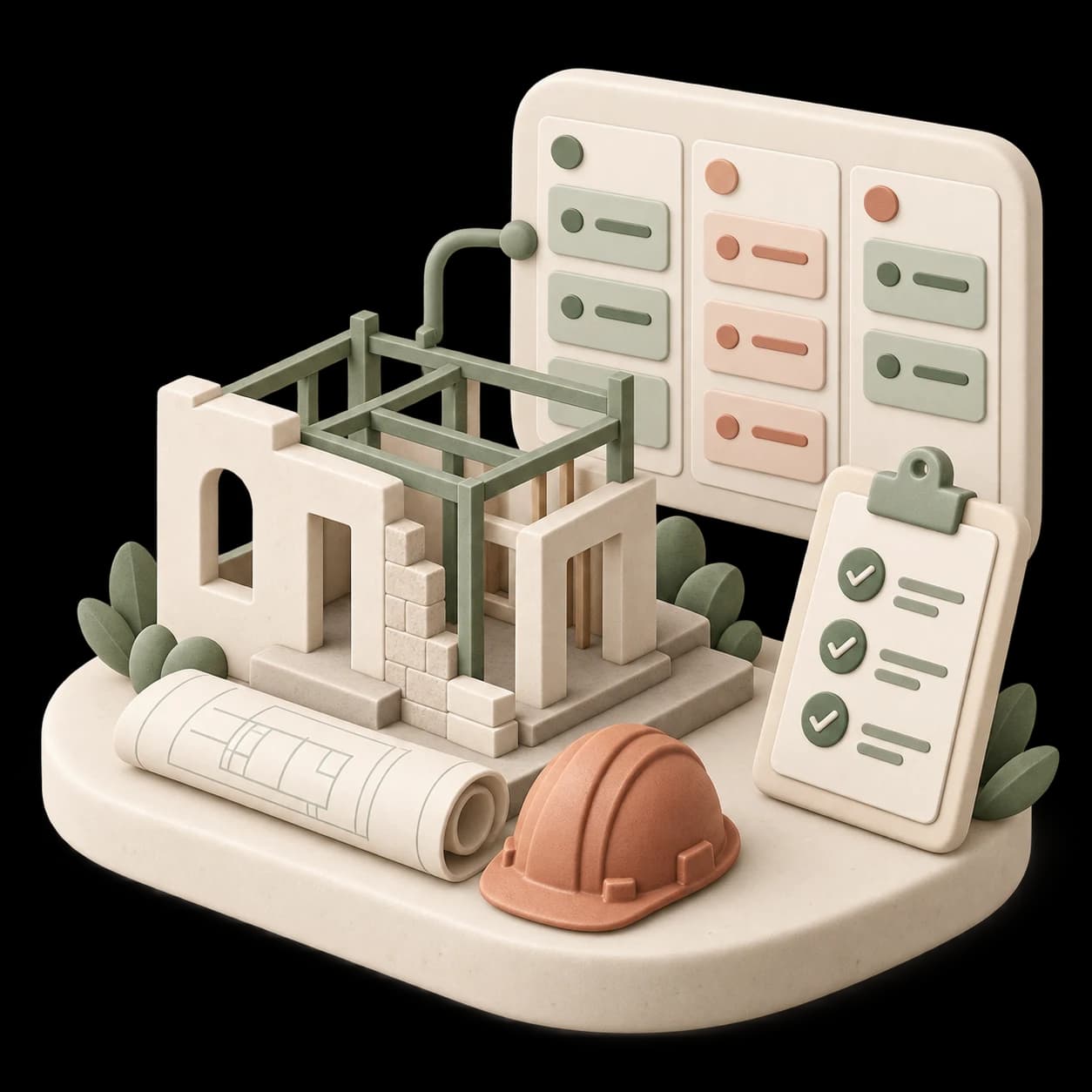
Give field teams a practical way to record progress, then keep every update connected to the project history, review, and approval path.

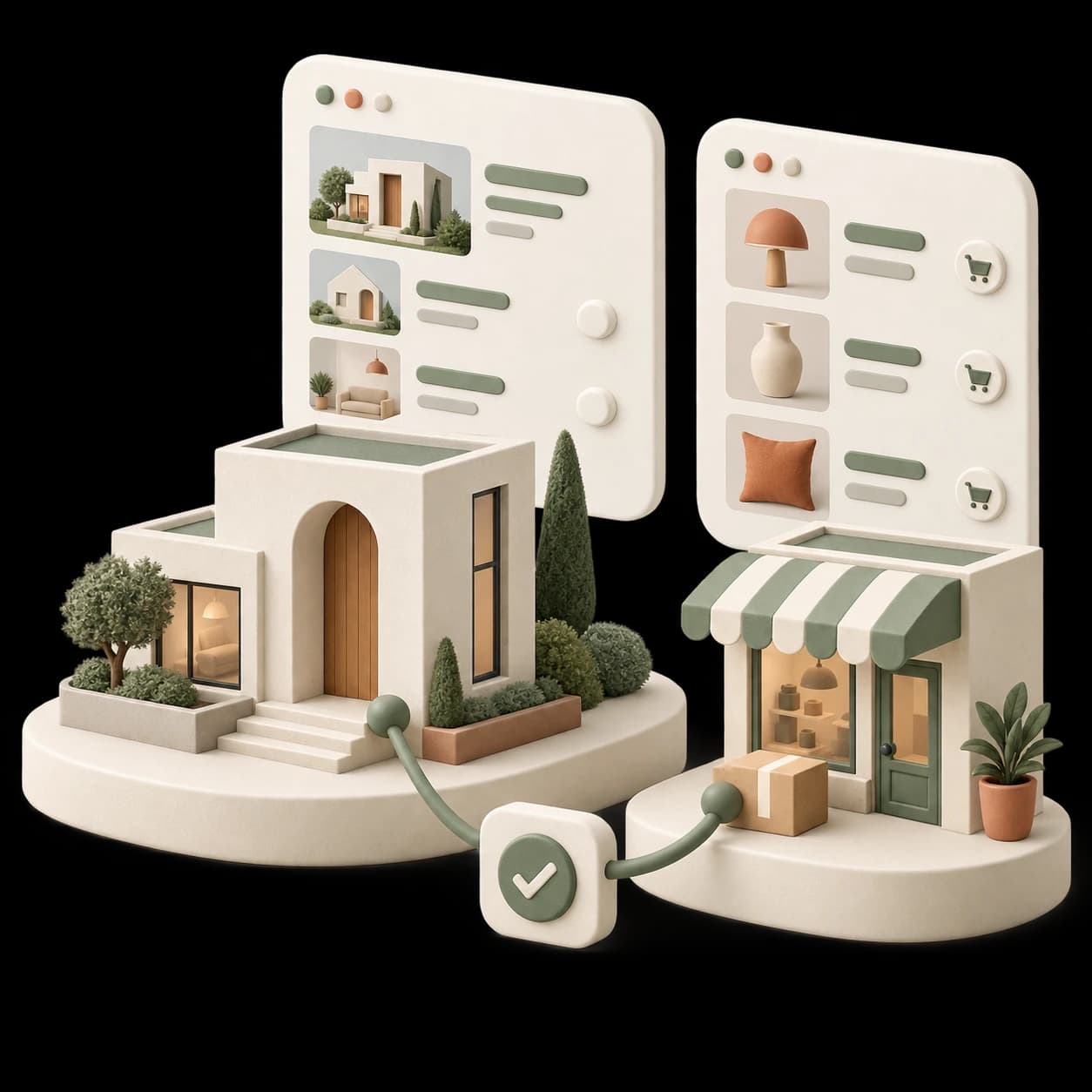
Construction proof first. Property proof beside it.
Review product screens and implemented workflows without relying on unsupported percentage claims.
Diagnose one handoff. Ship one useful control point.
No giant transformation pitch before we understand the project record. First release must make a real field-to-office workflow easier to capture, own, review, or report.
Walk the live workflow
Trace what starts on site, who touches it, where it stalls, and what the office needs before acting.
Define the project record
Set the fields, roles, statuses, approvals, files, and reports needed to keep one workflow accountable.
Build the smallest useful module
Ship the field capture, dashboard, integration, or automation that removes the first proven bottleneck.
Run it on real work
Launch with the people who use it, watch the handoffs, fix friction, then expand only where evidence supports it.
Questions contractors ask
Straight answers about fit, scope, and the first useful workflow
Medianeth is best fit for Philippine contractors whose field updates, punch lists, bids, photos, project records, approvals, and office reports are split across chat, spreadsheets, email, and generic software.
We trace one costly field-to-office workflow from capture through review, approval, reporting, and follow-up. Then we identify the smallest useful system, integration, or module worth building first.
We build custom workflows for daily logs, project updates, punch lists, bid packages, subcontractor coordination, files and photos, approvals, dashboards, notifications, and other contractor-specific operations.
Yes. We design field capture around the devices and conditions your team uses, then connect those updates to the office dashboard, project record, and reporting workflow.
Yes. Property teams are our closest adjacent fit. We build listing management, lead routing, broker workflows, tenant or maintenance requests, commissions, owner reporting, and internal dashboards.
Yes. A focused module, integration, portal, dashboard, reporting layer, or migration is often the safest first release. We recommend a full rebuild only when the current stack cannot support the workflow reliably.
We also handle commerce modernization, WordPress-to-Next.js migration, agency delivery partnerships, and enterprise automation when those are the better match for the operating problem.
Find the operating constraint before choosing the software
Apply with one critical workflow. We will review the current process, decision context, risks, and best path forward.
Decision process
One workflow. One clear decision.
Best suited to construction teams fixing field reporting, project controls, procurement, safety, estimating, or system handoffs. Property operations are a strong adjacent fit; commerce, migration, automation, and agency delivery applications are reviewed selectively.
Duration
7–10 business days
Scope
One critical workflow
Access
Up to four stakeholder interviews
Ownership
Your artifacts, with no build obligation
01
Choose one critical workflow
Anchor the diagnostic to a costly handoff, recurring delay, reporting gap, or operational risk.
02
Map the current state
Trace people, tools, approvals, data, and field-to-office handoffs as they work today.
03
Decide the right path
Compare build, buy, integrate, and keep options against the real operating constraint.
04
Review risk and dependencies
Surface adoption, data, integration, compliance, and ownership dependencies before scope expands.
05
Define a pilot scope
Frame the smallest useful pilot that can test the recommendation with operating evidence.
Decision-ready outputs
- Current-state workflow map
- Cost-of-friction assumptions
- Build, buy, integrate, or keep recommendation
- Data, integration, and adoption risk map
- Clickable workflow prototype or annotated screens
- Decision-ready pilot scope, timeline, and budget range
This is a paid, fixed-scope diagnostic. Pricing is confirmed in writing after the fit review so the scope matches the workflow and access required.
Good fit
A real operating workflow, access to process owners, and willingness to test the best option—even when it is not custom software.
Not a fit
A generic quote request, a predetermined feature list with no workflow access, or a request for staff augmentation only.
What happens next
We review every application within one business day. Strong matches move to a 20-minute fit review; confirmed matches receive a written diagnostic proposal within two business days. If the problem is not a fit for custom software, we say so directly.
Application
Describe the workflow that needs a decision.
Required fields help us judge fit before asking for your time. Fields marked are required.

